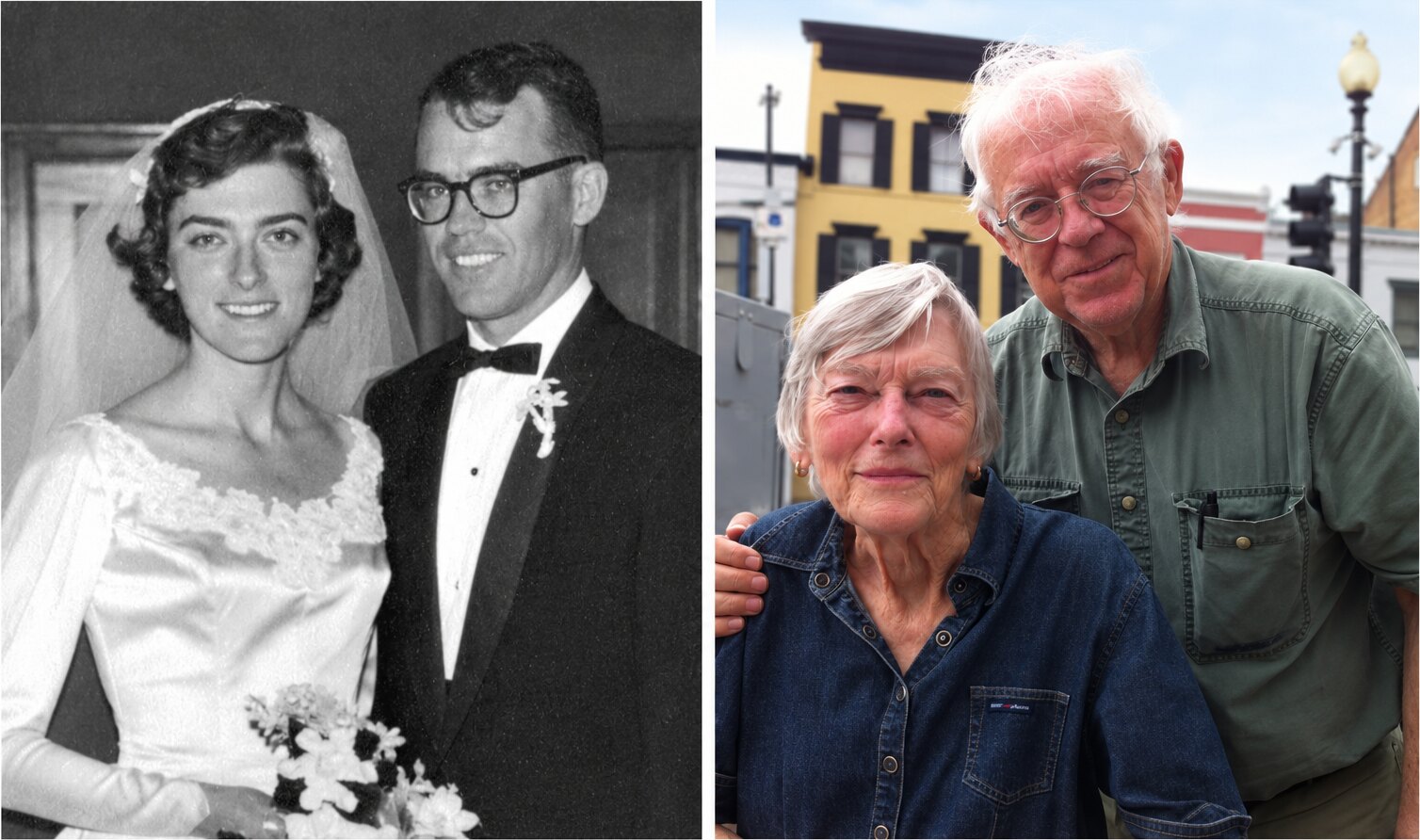
Attorney, Entrepreneur, and Author
C. Jack Pearce
C. Jack Pearce’s career brought together public service, entrepreneurship, and a wide-ranging intellectual curiosity. His government service included shaping and implementing economic policy at the U.S. Department of Justice, the U.S. Agency for International Development, and a White House Office of Consumer Affairs. These roles gave him a broad perspective on competition, consumer protection, and the ways public policy affects economic opportunity.
Following his work in the Justice Department’s Antitrust Division, Jack entered private practice and founded OSI in 1981. Through OSI, he helped make professional office space and support services more accessible to independent practitioners and growing businesses in Washington, D.C. His commitment to transparent pricing and fair terms remains part of the company’s foundation.
Jack’s interests extended well beyond law and business. In his book, Fundamentals for the Anthropocene, he explored connections between the natural world, human society, and the economic and environmental challenges facing future generations.
The OSI scholarships honor that breadth of purpose by supporting aspiring lawyers and mental health professionals. They carry forward a practical commitment: helping people gain the education and opportunities they need to serve others and strengthen their communities.
Read more about OSI’s history
Occupational Therapist and Mental Health Advocate
Selette Hulsey Pearce
Selette Hulsey Pearce devoted her professional life to reaching people living with severe and persistent mental illness. During her training as an occupational therapist, an internship at the Menninger Clinic introduced her to the role occupational therapy could play in helping people experiencing mental health crises. That experience shaped a lifelong commitment to this work.
After moving to Washington, D.C., for her husband’s career, Selette worked for many years at St. Elizabeths Hospital, where she led groups for long-term patients experiencing severe psychosis. A gifted and dedicated therapist, she became known for drawing even the most isolated and withdrawn patients into interaction with others.
Her children remember her searching for pictures to use as conversation prompts—images that might connect with a patient’s memories, interests, or life before hospitalization. Each picture offered another possibility for connection, another way to reach someone whose voice had long gone unheard.
For Selette, success could be as quiet as a returned gaze from someone who had been uncommunicative for decades. Her work called for extraordinary patience, careful attention, and an unwavering respect for each person’s dignity.
This scholarship honors Selette’s dedication by supporting the next generation of mental health professionals who share her belief that every person, however isolated, deserves the patience and care it takes to reach them.